

Framly - AI Photo Video Maker
NXL AI Solutions
Framly - AI Photo Video Maker caught my attention because it aims at a very specific kind of creative shortcut: turning a photo or a written idea into something ready to share without asking me to learn a full editing suite. In my first sessions, the appeal was easy to understand. I could begin with an image or a text prompt, look through visual templates, and move toward an AI-made photo or video rather than building every layer manually.
That makes it an interesting choice in the Art & Design category, especially for people who want quick social posts, playful profile images, short promotional visuals, or mood-based experiments. It is not trying to replace a professional editor in every situation. Its real question is more practical: after the first burst of curiosity, does it remain useful enough to keep on a phone?
I spent time looking at that question from the perspective of ordinary use rather than a one-off novelty test. The app is free to install, is suitable for Everyone, and comes from NXL AI Solutions. Its public reception sits at a 4.0 average from around 400 ratings, while its reach has passed 500 thousand installs. Those figures suggest a product with a meaningful audience, but they do not tell me whether it fits a particular creative routine. That depends on how much control you need and how often you can accept a template-led result.
Why the first week feels so inviting
The strongest part of Framly is the short distance between an idea and a presentable result. Traditional mobile editing often begins with a blank canvas, a crop decision, a background choice, typography, timing, and a long list of small adjustments. Here, the starting point is more approachable. I can think in terms of an image, a description, or a visual style instead of immediately thinking like a designer.
That matters for a casual user who wants to create something during a spare moment. Imagine taking a few photos from a weekend outing and needing a quick vertical visual for a group chat or social post. A conventional editor gives me more control, but it also makes me responsible for every decision. Framly is more appealing when the goal is to explore several directions quickly and choose the one that feels closest to the mood I had in mind.
Related News

Why WhatsApp Messenger Still Makes Everyday Communication Feel Easy

Jurassic World: The Game Is the Better Dino Tycoon for Strategic Players

Threads in Real Life: Who Should Join, Lurk, or Leave

How SHEIN Turned Shopping Into an Endless Content Feed

How to Make Fortnite Feel Smarter on Mobile

Should You Switch to Microsoft Outlook on Mobile?
The template approach also gives the first week a sense of momentum. Instead of wondering what to make, I can react to a prepared visual idea. This is useful for people who are not confident with composition. A template can provide a starting structure, then the source image or prompt supplies the personal element. The result may not be uniquely designed from the ground up, but it can look more finished than an unedited snapshot.
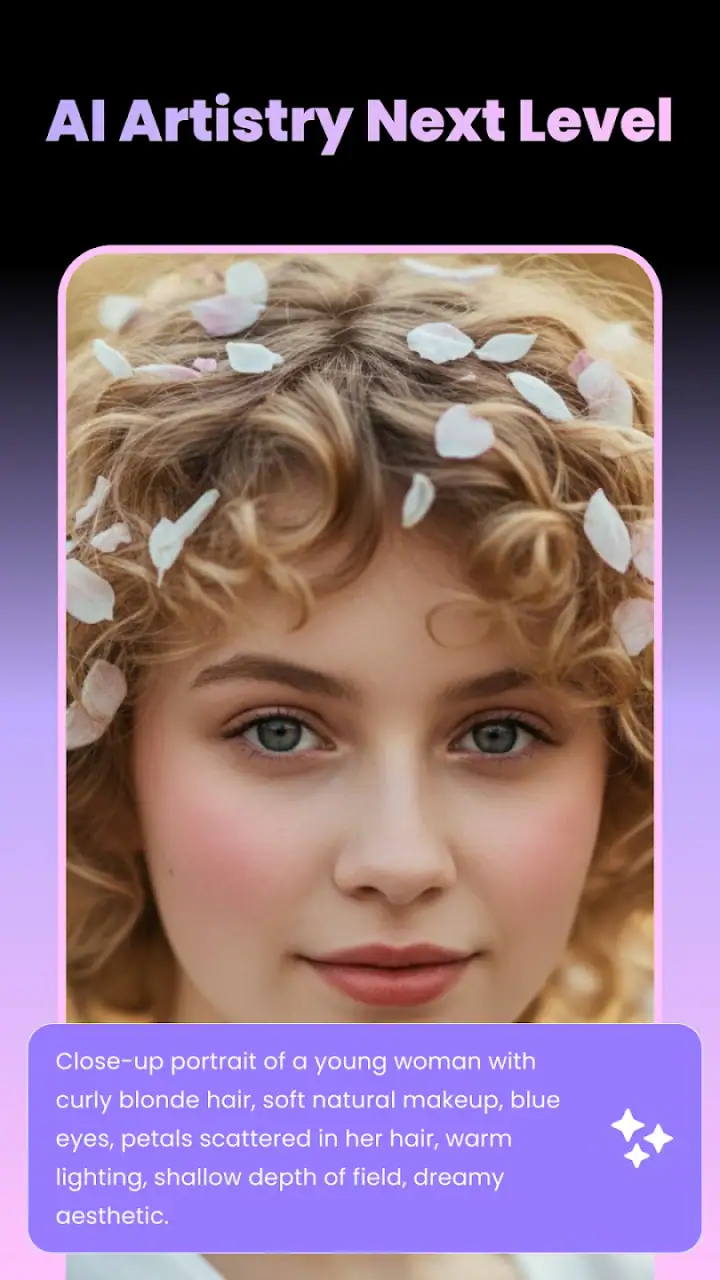
Text-based creation is another reason the app can feel accessible. Someone who has a clear concept but no suitable photo can begin with words. That is particularly handy for a quick announcement, a themed image, or a visual experiment that would otherwise require finding stock material and combining it manually. I would still treat the wording as part of the creative work. Short, specific descriptions are more useful than vague requests because they give the generation process a clearer direction.
My practical advice during the first few sessions is to test the same idea with small changes rather than judging the app from one result. Change the subject, mood, or setting one at a time. That makes it easier to learn what kind of input produces a result worth saving. It also prevents a common mistake with AI creative apps: assuming that an unsatisfying output means the entire tool is poor when the real issue is an unclear starting instruction.
Gallery
The app’s current version is 1.7.0, and the minimum operating system is Android 8.0. That makes it accessible to a broad range of Android phones, although access to a feature is not the same as a consistently smooth experience on every device. AI image and video work can feel more demanding than ordinary photo adjustments, so I would be more comfortable using it on a reasonably modern phone with sufficient free space and patience for processing.
Where the early excitement is genuinely useful
Framly makes the most sense when speed matters more than pixel-level authorship. A small business owner could use it to turn a product photo into several promotional concepts before deciding which direction deserves more work. A student could create a visual cover for a presentation without spending an evening learning layers. A casual creator could turn a personal image into a stylized post instead of leaving it buried in the camera roll.
There is also value in using it as an idea generator rather than a final production tool. I may not publish the first output, but it can show me a color direction, a pose, or a visual atmosphere that I can later recreate more carefully in another editor. This is one of the less obvious strengths of an AI design app: even an imperfect result can help me make a creative decision faster.
At the same time, the first-week appeal can hide the app’s main trade-off. Templates create speed by narrowing the range of decisions. That is helpful when I want guidance, but limiting when I already have a precise brand style or a carefully planned composition. If I need exact spacing, dependable typography, controlled retouching, or a repeatable layout across many assets, I would rather begin in a conventional design application.
A realistic everyday workflow
Consider a simple evening routine. I take a portrait at home, want a more polished version for a profile update, and do not want to spend time cutting out the background or arranging decorative elements. I can import the image, try a few relevant templates, and compare the results. If the first versions feel too artificial, I can return to the original photo instead of forcing the app to rescue it. That decision is important: AI tools are best treated as options, not as automatic improvements.
For a short video, I would prepare a small group of images first and decide what the clip is meant to communicate. A sequence with a clear subject is easier to evaluate than a random collection of photos. I would also keep the first attempt simple, because visual effects can become distracting when the source material has no clear story. Framly can accelerate the assembly of an idea, but it cannot decide whether the idea itself is worth sharing.
What remains valuable after the novelty fades
The long-term value depends on whether the app becomes part of a repeatable workflow. If I only open it to test amusing transformations, the novelty may disappear quickly. If I use it for recurring needs—social content, personal announcements, visual drafts, or quick concept boards—it has a better chance of earning permanent space on my phone.
One useful habit is to define a job for the app before opening it. “Make something interesting” is too broad and often leads to endless browsing. “Create three visual directions for this event photo” is more productive. The distinction sounds small, but it changes the app from an entertainment feed into a focused creative assistant.
I also found that its value increases when I separate exploration from finishing. Framly is well suited to generating a starting point or a fast variation. A different editor may still be better for final cropping, detailed corrections, precise text, or a consistent export workflow. Trying to make one AI app handle every stage can create unnecessary frustration. Using it for the stage where it is strongest is a more sustainable approach.
For recurring content, I would keep a small personal checklist. Before generating, decide the intended format, the main subject, the audience, and the one detail that must remain recognizable. Afterward, check faces, hands, lettering, edges, and the relationship between the subject and the background. These checks are especially important because an attractive overall style can distract me from small errors that become obvious once the image is published.
Another non-obvious trade-off is consistency. A single AI image can look impressive, but a series of images may not share the same visual identity unless I carefully repeat the same choices. That matters for a creator or small business building a recognizable feed. Framly can help explore a campaign’s look, yet I would not assume that every generated result will automatically match the previous one. For a consistent monthly content calendar, I would save successful prompts, source-image approaches, and template choices as a personal reference.
Free access and the point where the decision changes
Framly is free, which makes experimentation easy. I can evaluate whether its style suits me without paying before I understand the workflow. However, in-app purchases range from about thirteen dollars to around 140 dollars per item. That is a wide enough range that I would examine the purchase screen carefully before committing to anything, especially if I am only curious about the app.
The important question is not simply whether a paid option exists. It is whether the app’s recurring output justifies the cost for my particular use. Someone who creates visuals every week may see more value than someone who wants a few novelty images. I would first establish a real routine with the free experience, identify which kinds of results I actually keep, and only then consider spending money. A polished preview is not the same as a dependable long-term workflow.
This pricing structure also affects who should skip the app. If you need predictable professional production, commercial-grade control, or a carefully managed design system, a dedicated editor may be a better investment even if its learning curve is steeper. Framly is more convincing for quick creative output than for work where every visual detail must be controlled and repeated.
The maintenance burden is small, but not zero
Keeping an AI image and video app useful requires more than installing it and waiting for inspiration. I would periodically remove failed experiments from the phone, keep only the templates and outputs that support a real purpose, and avoid letting the camera roll fill with near-duplicates. This matters because rapid generation can create clutter faster than traditional editing.
There is also a quality-control burden. I need to review every result before sharing it, particularly when the image includes people, signs, product details, or text. AI-generated visuals can look convincing at a glance while containing awkward details. That review takes only a moment, but skipping it can undermine the credibility of an otherwise useful post.
My suggested maintenance routine is simple: keep a small folder for approved outputs, note which prompts or source photos worked, and delete versions that have no future use. For video, watch the complete result rather than judging a still preview. Timing, transitions, and visual repetition may feel fine in a thumbnail but tiring in motion. This habit makes the app more efficient because I learn from successful attempts instead of starting from zero each time.
Updates can also influence a creative workflow. I would check the app occasionally after an update rather than assuming that a familiar process behaves exactly the same way. The developer is NXL AI Solutions, and the listed version is 1.7.0; beyond that, my practical focus would be whether the tools I rely on remain easy to find and whether the output still matches my needs. A creative app earns trust through dependable habits, not only through surprising new effects.
Where fatigue starts
The first source of fatigue is browsing without a clear objective. Trendy templates are attractive, but too many similar choices can make the creative process feel like scrolling instead of designing. I would set a time limit for exploration or choose a small number of templates before generating. This keeps the app from turning a quick task into an open-ended search.
The second is repetition. A style that feels fresh in the first few attempts may become predictable when used for every photo. This is not unique to Framly, but it is especially relevant to template-driven creation. I would alternate between image-based and text-based ideas, vary the source material, and occasionally finish a project in another editor. That keeps the app as one tool in a creative routine rather than the only visual language I use.
The third is the gap between a striking concept and a usable final asset. AI can give me an appealing atmosphere while missing the practical requirements of a post, poster, or announcement. If the wording must be exact, if a product must retain its real shape, or if a person must remain unmistakably recognizable, I would use Framly for inspiration and then move to a more controlled workflow.
There is also a personal fatigue factor: not every generated image feels like mine. For private experimentation, that may not matter. For a portfolio, business identity, or meaningful personal announcement, authorship and consistency matter more. I would be selective about where I use AI styling and where I want the result to reflect deliberate manual choices.
Who will get the most from it
I would recommend Framly to casual creators who want fast visual variations, people who feel blocked by a blank canvas, and users who regularly need attractive social content without mastering advanced editing software. It is also a good fit for someone who enjoys trying visual ideas and understands that the first output is a draft rather than a guaranteed final.
It may also help small teams that need to brainstorm quickly. One person can bring a product photo, another can suggest a mood, and the app can provide a visual direction for discussion. The result does not need to be published to be useful. Sometimes the real time saving comes from deciding what not to make.
I would be more cautious about recommending it to professional designers who need exact control, photographers protecting a natural look, or anyone producing a large set of assets that must remain perfectly consistent. Those users may appreciate the speed, but a dedicated design or video editor will usually offer a clearer path to precision. I would also suggest skipping it if you dislike reviewing generated content or if you want every creative decision to be manual.
My long-term verdict
Framly earns lasting space when I treat it as a fast creative starting point, not a complete replacement for editing software. Its first-week appeal is real: images and text can lead quickly to AI-assisted photos and videos, and templates reduce the intimidation of a blank screen. That is enough to make it useful for everyday visual tasks.
Its staying power is less automatic. The app needs a purpose, a little organization, and a willingness to reject results that look attractive but fail practical checks. The wide range of in-app purchase prices means I would also keep spending tied to a proven habit rather than to the excitement of a single impressive generation.
After the novelty fades, I can see myself keeping it for quick concepts, personal posts, and moments when I want several visual directions without opening a complex editor. I would not make it my only design tool, and I would not choose it for work demanding exact control. For the right user, though, that balance is precisely the appeal: Framly is a convenient idea-to-visual bridge, with enough speed to become a habit if its limits are respected.
FAQs for Framly - AI Photo Video Maker
What is Framly - AI Photo Video Maker used for?
Framly - AI Photo Video Maker is designed for creating short videos, photo montages, and stylized social media content with the help of artificial intelligence. You can combine images, apply transitions, add music, use visual effects, and experiment with AI-powered templates or transformations. It is particularly useful for users who want to produce polished-looking content without learning complex desktop editing software.
Is Framly - AI Photo Video Maker free to download and use?
The app can generally be downloaded at no initial cost, but some tools, templates, effects, export options, or AI features may require an in-app purchase or subscription. Before starting a project, check the pricing page and subscription terms carefully, especially if a free trial is offered. Premium access, renewal conditions, and cancellation procedures can vary depending on whether you use Android or iOS.
Can I create videos from my own photos and music in Framly?
Yes, the app is intended to let you build projects from personal photos and video clips stored on your device. After selecting your media, you can usually arrange the content, choose a template, adjust timing, add transitions, and include music or other audio elements. Availability of particular songs may depend on licensing, while the app may request permission to access your gallery and media files.
Does Framly use artificial intelligence to edit or transform photos and videos?
Framly includes AI-oriented creative tools that may automate parts of the editing process or apply preset visual transformations. Depending on the selected feature, processing can involve uploading media to an online service, so an internet connection may be necessary. Results can differ according to image quality, lighting, subject placement, and the chosen effect. Review the app’s privacy information before submitting personal or sensitive images.
What should I check before exporting and sharing a Framly project?
Before exporting, review the video from beginning to end to confirm that photos are correctly positioned, text is readable, music is synchronized, and no unwanted watermark or premium restriction has been added. Export quality, resolution, duration, and available formats may depend on your plan and device. Also make sure you have permission to use any third-party images, music, logos, or likenesses before sharing the finished video publicly.
Pros
- AI tools quickly turn photos into polished videos.
- Includes templates for reels
- slideshows
- and social posts.
- Simple editing workflow suits beginners.
- Supports music
- transitions
- and visual effects.
- Useful for creating content directly on a mobile device.
Cons
- Some advanced features may require a subscription.
- AI results can vary depending on photo quality.
- Export options may be limited on the free plan.
- Large projects can use considerable storage and battery.
- Some templates may feel repetitive with frequent use.


